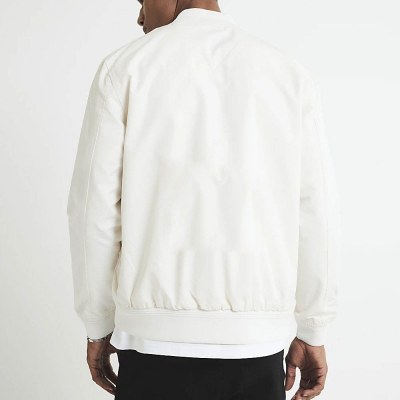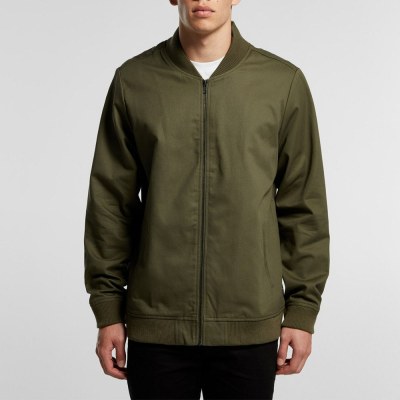
PU vs ePTFE Membranes: A Windbreaker Manufacturer's Honest Comparison
A "waterproof" tag with no number on it is an advertisement, not a specification. Real waterproofing starts at a hydrostatic head of at least 10,000mm. PU membranes are cheap and easy to laminate but lose 30–40% of their water column after 20–30 washes; ePTFE membranes (the Gore-type class) breathe better and last far longer but cost more and demand tighter process control. This comparison shows how a shell manufacturer picks the right membrane for your order in the tech pack, instead of always quoting the most expensive option.
- 01A Buyer Who Paid for "Waterproof" and Still Leaked
- 02How a Shell Manufacturer Tests Real Waterproofing: The Hydrostatic Head Number
- 03PU Membrane vs ePTFE Membrane: A Table That Settles It
- 04What Membrane We Spec for Different Brands as a Shell Manufacturer
- 05The Three-Part Durability System: Lamination + Seam Taping + DWR Recoat
- 06What the Spec Sheet Must Say (Membrane Checklist)
A Buyer Who Paid for "Waterproof" and Still Leaked
A commuter-line buyer we later worked with had previously ordered a run of windbreakers from another supplier, each labelled "3-layer waterproof." The hangtag looked premium and the unit price sat above the market. When the first batch landed in their warehouse they ran a spray test: water beaded on the surface. Three weeks of wear and two washes later, the shoulder seams and the edges of the pocket taping started weeping. The supplier's reply was that the membrane was fine, the buyer was simply washing too often.
The problem was never the membrane itself. The problem was that the word "waterproof" on the tag carried no number behind it: no water column, no test method, no membrane type. The buyer paid a "premium waterproof" price and received an adjective. The rest of this article is the checklist we wish that buyer had held the first factory to before paying.
How a Shell Manufacturer Tests Real Waterproofing: The Hydrostatic Head Number
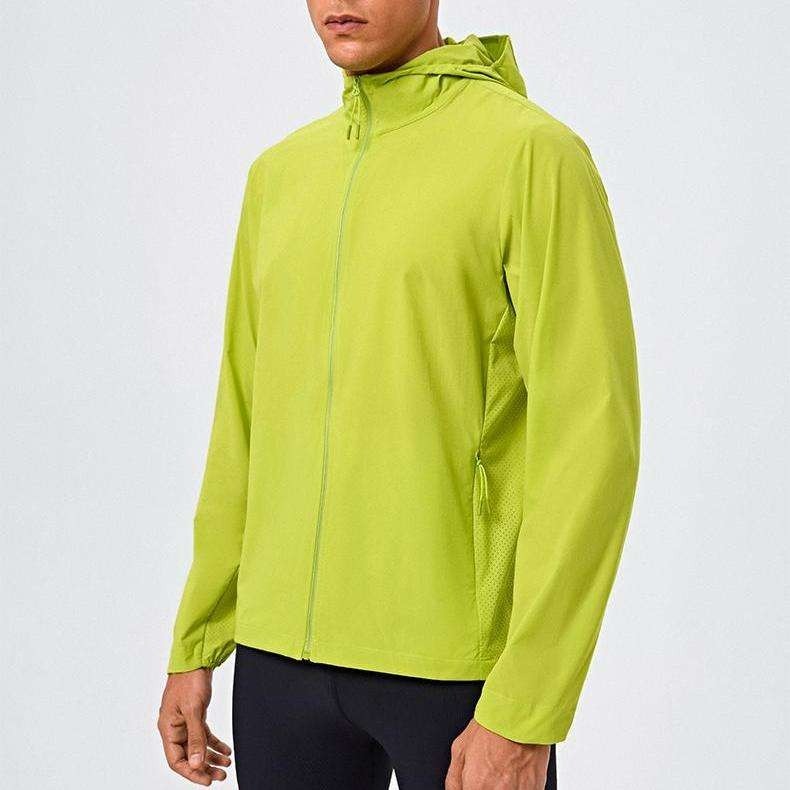
"Waterproof" is not an adjective. It is a measurable number: the hydrostatic head. A fabric is clamped over a test head and water is pushed up from below until the moment the third droplet penetrates the cloth. The height of that water column, in millimetres, is the rating.
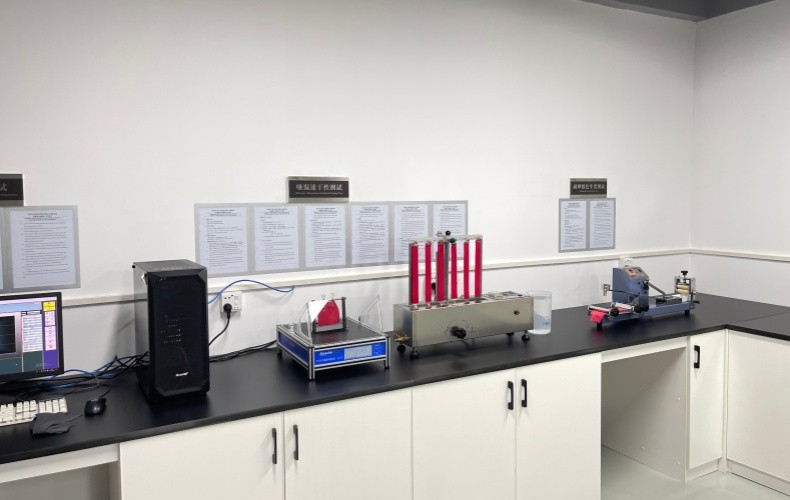
We run hydrostatic-head tests on every colour and every lot of shell fabric at our two facilities in Guangxi and Dongguan, operating since 2014 under BSCI (Grade B), GRS, ISO 9001 and OEKO-TEX. The method follows ISO 811 and AATCC 127. What we record is not the word "pass" — it is a reading. Our floor for calling a fabric genuinely waterproof is a hydrostatic head of at least 10,000mm. Below that, a spray test will bead water, but real rain will not hold.
The trap buyers fall into most often is reading the word "waterproof" and stopping there. A "waterproof" claim with no number could mean a true 12,000mm performer or a 1,500mm water-repellent cloth. The price gap between those two is several times over, and the experience gap is a full level. Ask for the reading, not the adjective.
A "waterproof" claim with no hydrostatic number is the same as a "700-fill" claim with no test method. It is a marketing sentence, not a measurement. This is the direct extension of the "number plus method plus lot number" logic we laid out in our puffer fill-spec verification piece.
PU Membrane vs ePTFE Membrane: A Table That Settles It
The layer inside a windbreaker that "blocks rain but does not smother you" is a microporous membrane sandwiched between the outer fabric and the lining. Two membrane families dominate, and both buyer and factory need to understand the trade-offs.
| Dimension | PU membrane (polyurethane) | ePTFE membrane (expanded PTFE, Gore-type class) |
|---|---|---|
| Cost | Low. Simple coating or single-layer lamination. | High. The film itself is costly and must be laminated to the outer fabric. |
| Process difficulty | Low. Easy for small and mid-size factories to handle. | High. Lamination is sensitive to temperature and tension; yield depends on equipment. |
| Hydrostatic head | New goods reach 10,000–15,000mm. | High and stable; 20,000mm and above is common. |
| Wash durability | Poor. Loses 30–40% of its water column after 20–30 washes. | Strong. The film structure is stable and degrades slowly. |
| Breathability (MVTR) | Lower. Tends to feel muggy. | High. Micropores vent; comfortable during activity. |
| Best for | Urban commute, light layering, tight budgets. | Premium cold-weather, long-life, high-intensity use. |
The key takeaway: these two membranes are not about which is "better." They are about which one your price point and end use actually call for. The trap is a buyer asking for "premium breathable waterproof" and receiving a PU-membrane jacket the supplier calls "3-layer," while saying nothing about the membrane type or its lifespan.
What Membrane We Spec for Different Brands as a Shell Manufacturer
A claim about the membrane is cheap. The specification written into the tech pack is what holds value. We propose a membrane by the order's price point and end use, not by always pushing the most expensive film.
Small and mid-size brands, commuter lines, first试探 orders. We lead with a PU-laminated shell plus full seam taping — the cost-controlled, fast-to-scale option. Paired with a DWR recoat, it covers everyday water repellency well enough. We do not push ePTFE here, because for this buyer the extra spend rarely returns in matched sales volume.
Premium cold-weather, long-life, high-intensity lines. We move to ePTFE lamination. The breathability and durability genuinely beat PU, which suits lines with high unit prices where repeat purchase rides on experience.
Mixed approach. ePTFE on the outer fabric, PU locally on inner panels, splitting cost by zone. This is our compromise for brands that want to control price while still claiming a premium membrane story.
Every step lands in the tech pack: membrane type, rated hydrostatic head, MVTR, and lamination method. That way, when you reorder and possibly switch suppliers, the spec stays pinned to the same baseline.
The Three-Part Durability System: Lamination + Seam Taping + DWR Recoat
Buying one good membrane does not solve leakage. Membrane durability is a three-part system, the same thinking as the triple barrier we described for puffer down-proofing.
In one line: the membrane sets the ceiling, but taping and DWR decide whether you ever use that ceiling.
What the Spec Sheet Must Say (Membrane Checklist)
Before you pay for a windbreaker labelled "3-layer waterproof," the spec sheet should answer five questions. If any line is missing, treat it as an open risk, not a detail.
| Spec line | What a verified sheet contains |
|---|---|
| Membrane type | PU or ePTFE, with brand or grade named. No vague "waterproof film." |
| Rated hydrostatic head | The reading (floor 10,000mm), with method ISO 811 / AATCC 127 stated. |
| MVTR | A g/m²/24h figure. No "breathable" adjective. |
| Lamination + taping | Lamination method and whether seams are fully taped (yes/no). |
| DWR recoat | Whether a recoat is included and the suggested recoat cycle. |
If you want to see how the fill numbers themselves get written into a PO, our earlier piece on how a puffer jacket manufacturer verifies fill specs is the sister article to this one. The puffer down-proof QC checklist covers the same seam-sealing logic from the other side. And if you are still short-listing suppliers, the windbreaker manufacturer selection guide covers the questions to ask before sampling.
About our shell line
We run windbreakers on a dedicated shell line, building to a specified membrane type, rated hydrostatic head and full seam taping, with hydrostatic-head testing on every lot before shipment. For buyers planning volume, our outerwear MOQ guide explains how order size changes the production setup without lowering the QC bar.
Is ePTFE always better than PU?
Not always. ePTFE does breathe and last better, but it costs more and demands tighter process control. For urban commute or tight-budget lines, a PU-laminated shell with full taping is more than enough. The real rule is "write it clearly and verify it" — do not pay for performance you will never use.
What number should I actually look for on a "waterproof" tag?
Look for the hydrostatic head. Anything below 10,000mm is not genuinely waterproof in real rain, and you should also see the test method, ISO 811 or AATCC 127. A "waterproof" tag with no number is an unverified claim.
How many washes until a PU membrane stops being waterproof?
In our measurements, PU-laminated shells typically lose 30–40% of their water column after 20–30 washes, and the DWR that keeps surface beads off degrades faster. That is why we agree a recoat cycle with the buyer before bulk instead of treating delivery as the finish line.
Does membrane breathability actually matter?
Yes, especially for sport and high-intensity use. ePTFE vents through micropores and stays comfortable; PU is lower and feels muggy. Choose by end use, not by the word "waterproof" alone.
Is seam taping really that critical?
It is the deciding factor. About 70% of leaks come from temperature drift at the tape line, not from the fabric. After taping we pull one in every 50 garments for a negative-pressure leak check. No matter how good the membrane, an unsealed seam still leaks.
Send us your windbreaker tech pack — or let us build one — and we will put the membrane type, rated hydrostatic head, MVTR and full seam taping in writing before bulk. Talk through your next order with our shell team.
Get a Shell Membrane Spec Sheet