How to Write a Tech Pack That Actually Prevents Rework
My argument up front: most tech packs do not fail because they are thin. They fail because they are vague where it counts. They will specify a Pantone for the body but never the seam it is sewn with; they name a fabric but not its tolerance. The factory then fills the silence with whatever is fastest — and that is your rework.
A tech pack is not a drawing. It is a contract written in millimetres, and the factory honours the gaps, not the intentions.
What a rework-preventing tech pack contains
The point of the document is to remove every decision the factory would otherwise guess. Here is the checklist I make every brand send before we quote — and the order matters, because the early items constrain the later ones.
- Construction first. Flat sketch front and back, seam types (flatlock vs coverstitch), and where each seam lives. A hoodie manufacturer cannot "just know" your hood shape.
- Fabric with tolerance. Not "380 GSM cotton" but "380–400 GSM, 100% combed cotton, French terry loop-back." The tolerance is the part that prevents a different cloth shipping.
- Colour in a locked code. Pantone TCX or a CIELAB value, not "the beige from last time." Colours drift; codes do not.
- Trims with part numbers. Drawcord, rib, zipper — name the supplier and the part. "A nice zipper" is a rework waiting to happen.
- Labelling and packaging. Where the main label, care label, and size tag sit, and how the unit is packed. The last 5% of returns come from here.
The two fields brands skip (and regret)
If you only fix two things, fix these. First, the tolerance on fabric weight — without it, "380 GSM" can legally arrive at 340, and your premium handfeel is gone. Second, the seam map — which seams are flatlocked, which are coverstitched, and at what width. Those are the touches a customer's hands find, and the factory will default to its cheapest habit if you leave them open.
Why this pays back immediately
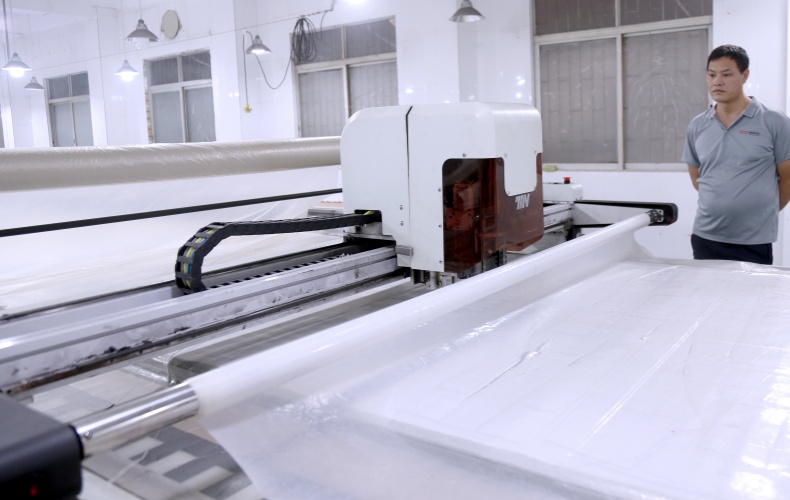
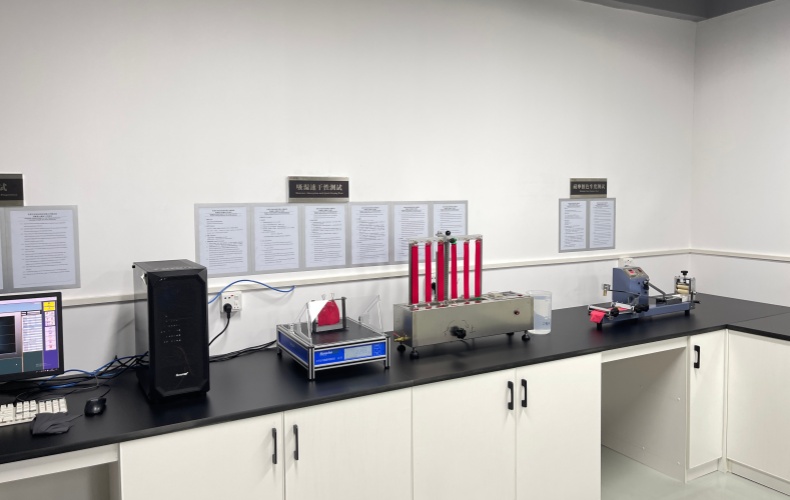
A complete tech pack turns a sampling round from a negotiation into a verification. You send it, the factory returns a physical sample in 7–10 working days, and you are checking their execution against your spec — not inventing the spec on the spot. A Dongguan-based operation running AQL 1.5 with an eight-step inspection will also hand you the inspection report, so the pack and the quality system close the loop. For global hoodie and outdoor brands, this is the cheapest insurance in the whole launch.
Want our tech-pack template with all five blocks pre-structured? Reach out — we will show you the exact fields a hoodie manufacturer or outerwear factory supplier needs before a quote is worth anything.