How to Build a Capsule Outerwear Line: A Growth Brand's Sourcing Playbook
How to Build a Capsule Outerwear Line: A Manufacturer's Sourcing Playbook for Growing Brands
For a growing brand adding outerwear, three well-chosen styles beat twelve safe ones. A capsule is three anchor pieces — a shell, a mid-layer, a puffer — planned for fabric, fit and margin before a single unit is cut. As an outerwear-only manufacturer we keep a pattern library and material stacks so a small first run stays professionally patterned, not compromised.
A DTC streetwear brand we work with had built a loyal tops business and wanted outerwear for the fall drop. They opened a marketplace tab and froze: two hundred jacket styles, every fabric claim sounding the same. What they needed was not a wider catalog — it was a capsule plan that let them enter the category, learn what their customers actually bought, and scale the winners.
Below is the playbook we hand growing brands before they commit fabric. It is the same logic our own product team uses when a client moves from tees into an outer layer.
A Real Pitfall: Twelve SKUs, Nine That Never Sold
Take a generalized case. A brand expanding into outerwear opened twelve styles at once — three shells, four mid-layers, five puffers — across two colorways each. They tied up a six-figure prepayment and a full season of warehouse space. By spring, nine of those styles had barely moved; the three that sold were the ones they had originally pitched as the core. They had paid to discover their own capsule the hard way, and missed the window to reorder the winners.
The mistake was not ambition. It was sequencing. They bet the whole matrix before learning which silhouette their audience trusted. A capsule front-loads that learning into three pieces.
What a Capsule Means for Outerwear
A capsule is the smallest set of styles that still reads as a complete outerwear category. For most growing brands that is three anchors:
1. A shell / transit jacket
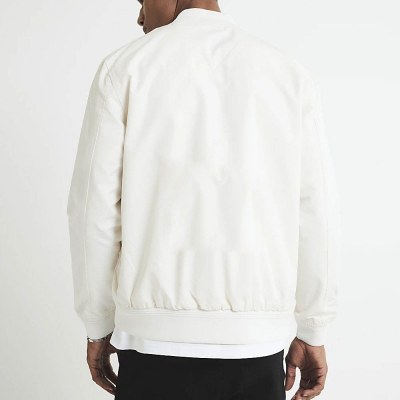
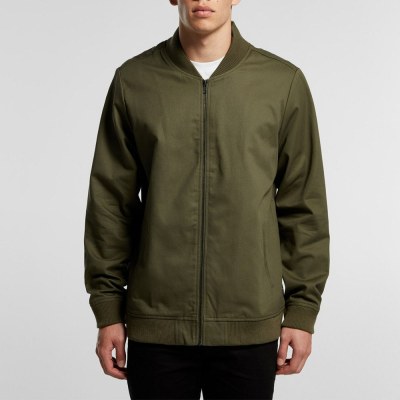
The lightweight outer layer — a windbreaker or 3-layer shell. It is the highest-margin impulse buy and the easiest way to signal "this brand now does outerwear" without a heavy down investment.
2. A mid-layer
A French-terry hoodie or brushed-fleece pieces that bridge your existing tops line into the new category. This is where your current customers feel at home, so conversion risk is lowest.
3. A puffer or insulated piece
The hero cold-weather item. Highest unit cost, highest perceived value. One puffer done right carries the capsule's margin; five done loosely sinks it.
For a growing brand, three right styles beat twelve safe ones. The capsule is not a small collection — it is a learning tool that turns a season's gamble into three cheap experiments.
Plan the Three Styles: Fabric, Fit, Margin
Each anchor needs three decisions made before sampling, not after.
Fabric stacks
Shell: a 3-layer membrane with a chosen denier and a matte or crisp handfeel. Mid-layer: French terry 280–380GSM or brushed-back fleece. Puffer: shell fabric plus fill weight plus lining — a stacked decision, not a single pick. We keep a material library so you choose from proven stacks instead of speculating on a swatch you have never cut.
Fit from the library
Hooded or unhooded, drop-shoulder or set-shoulder, boxy or tapered — these come from a twelve-pattern base library we maintain. Modifying a library pattern costs a fraction of developing from zero, which is exactly how a first capsule holds cost down while staying professionally patterned.
Margin math
Outerwear margin lives in three places: fabric tier, construction (zippers, seams, binding), and how the order size spreads fixed setup. A 100-piece test run carries a slightly higher unit cost than a 1,000-piece reorder, but it protects the margin that matters most — the margin you keep when nine of twelve styles would have flopped.
Capsule Launch vs Full Collection
The same budget produces very different outcomes depending on sequencing:
| Factor | Full 12-SKU launch | 3-style capsule first |
|---|---|---|
| Cash tied upfront | High, all styles at once | Low, three pieces only |
| Learning speed | Slow, signal lost in noise | Fast, clear winner emerges |
| Risk of dead stock | High (most styles unproven) | Contained to three tests |
| Reorder decision | Guessed before selling | Data-driven after selling |
| Season fit | Often misses window | Launches, then scales in-window |
Where the Margin Actually Comes From
Growing brands often assume outerwear margin is just "charge more." It is mostly "spec smarter." Three levers we see on every capsule:
1. Fabric tier. A 380GSM double-yarn terry mid-layer runs 18%–25% above a 280GSM standard loopback, but the streetwear weight and drape justify the retail step-up. Choosing the tier against your price point — not the cheapest available — is the first margin decision.
2. Construction honesty. YKK-grade zippers, taped seams on shells, clean binding on puffers — these are visible to a buyer and defended in a fit session. We quote them itemized so the margin is explainable, not mysterious.
3. Run size. At 100 pieces a first capsule tests the category without betting bulk price. When a color proves out, the reorder to 500–1,000 pieces drops unit cost and lifts margin on the styles that already sold. That is the whole playbook in one sentence.
5 Steps to Build Your Capsule Outerwear Line
- Lock three anchors: one shell, one mid-layer, one puffer — one colorway each. Resist the urge to open colorways before the silhouette is proven.
- Send a tight tech pack: reference art, fabric preference (weight and handfeel), and target size range. The more complete, the faster sampling and the fewer fit rounds.
- Seal the samples: 7–10 days to first fit from our in-house pattern room; check handfeel and construction, not just the sketch. Revise, do not settle.
- Soft-launch and watch: list the three pieces, then track which silhouette and colorway converts. That signal is the entire point of the capsule.
- Reorder on data: scale the winner to 500–1,000 pieces at bulk price, covered by first-wave margin. The other two stay tests, not commitments.
Common Questions
Can a small brand really launch outerwear at 100 pieces?
Yes. A capsule is built for exactly that. Three styles at 100 pieces each let you enter the category, learn what sells, and reorder the winners — without prepaying a full collection. The MOQ is a floor for custom production, not a barrier to entry.
How many styles should a first capsule have?
Three. One shell, one mid-layer, one puffer. That is the smallest set that still reads as a complete outerwear category and gives you a clear read on which silhouette your audience trusts. Opening more before selling is the most common mistake we see.
What fabrics work for a starter capsule?
A 3-layer shell, a French-terry or brushed-fleece mid-layer (280–380GSM), and a puffer built from a shell-plus-fill-plus-lining stack. We keep a material library of proven stacks so you choose from cut-and-tested options rather than speculating on an unproven swatch.
How long from tech pack to bulk?
First samples seal in 7–10 days from our in-house pattern room. Bulk for the proven styles runs 25–35 days, locked into the production pool. A full capsule to first sellable units typically lands inside six to eight weeks when the tech pack is complete.
Is small-run quality the same as bulk?
Identical. Every run — 100 pieces or 1,000 — uses the same lines under the same AQL 1.5 plus 8-step process. We keep a sealed sample and dye lot on file, so reorders hold color and fit exactly.
Do you hold certifications for EU and US clearance?
Yes. The plants hold BSCI (Grade B), GRS, ISO 9001, and OEKO-TEX Standard 100, with traceable fabric and process. The compliance and audit files EU and US buyers need are provided after order confirmation.
How do we start the capsule most safely?
Send your reference art and fabric preference, or a draft tech pack. We return an itemized quote and sampling schedule across the three anchors — no hidden setup fee, no minimum-style trap. Three pieces can put your outerwear line on the shelf this season.
About the line
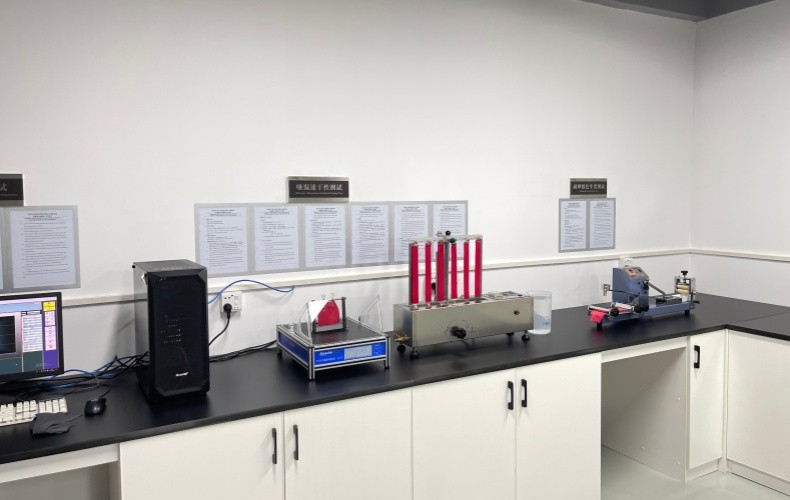
Two facilities in Guangxi and Dongguan, 20,000㎡ total, 500,000 pieces monthly capacity, OEM/ODM since 2014, 1,200-plus brands served. Quality follows AQL 1.5 plus an 8-step process. Certified BSCI (Grade B), GRS, ISO 9001, OEKO-TEX Standard 100. FOB Shenzhen; small orders ship by LCL or courier sample line.
Ready to plan your capsule outerwear line? Send your reference art, a draft tech pack, or just a fabric preference. We will return an itemized quote and sampling schedule across three anchors — no hidden setup fee, no style minimum trap — so three pieces can put your outerwear line on the shelf this season, then scale the winners.