French Terry vs. Brushed Fleece: Which Heavyweight Fabric Should Power Your Custom Hoodie?
French Terry vs. Brushed Fleece: Engineering the Right Heavyweight Knit for Your Custom Hoodie
Choosing the wrong knit structure does not just ruin the intended drape — it leads to pilling complaints, costly bulk rejections, and inventory bottlenecks. For streetwear founders and activewear brands sourcing through a custom sportswear manufacturer, understanding the technical DNA of French Terry and Brushed Fleece is the fastest way to protect your product margins.
If you are engineering trans-seasonal, moisture-wicking streetwear or high-movement activewear, French Terry (unbrushed loopback) is your gold standard. If your brand positioning demands structured, cloud-like thermal insulation and maximum aesthetic volume for winter capsules, Brushed Fleece wins every time.
The Technical Anatomy: Loopback vs. Napped Fibers
Both fabrics originate on specialised circular knitting machines — frequently crafted from 100% combed ringspun cotton, high-density CVC (cotton-poly blends), or recycled technical synthetics. However, what happens during the post-knitting finishing stages completely changes their performance characteristics.
French Terry — Unbrushed Loopback Knit
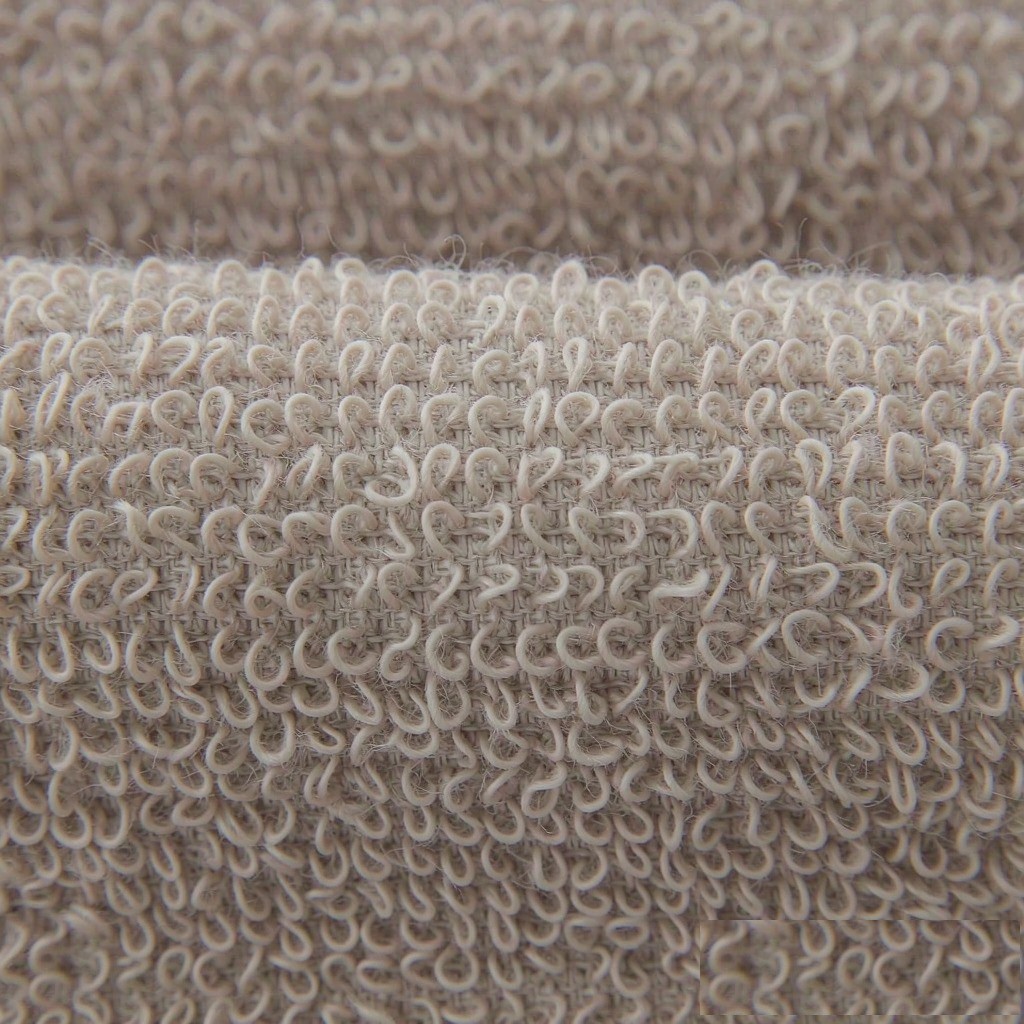
French Terry features a flat, smooth jersey face on the outside and distinct, unbrushed yarn loops on the reverse side.
- Moisture physics: Those tiny loops act like micro-sponges, creating microscopic air channels that pull moisture and sweat away from the skin toward the outer shell to evaporate.
- Drape: Clean, fluid, and structured without excessive bulk, providing the classic vintage drape favoured by premium lifestyle labels.
- Best hand-feel: Crisp on the face, lightly looped on the inside — ideal for screen-printed neck labels and crisp branding.
Brushed Fleece — Napped Interior
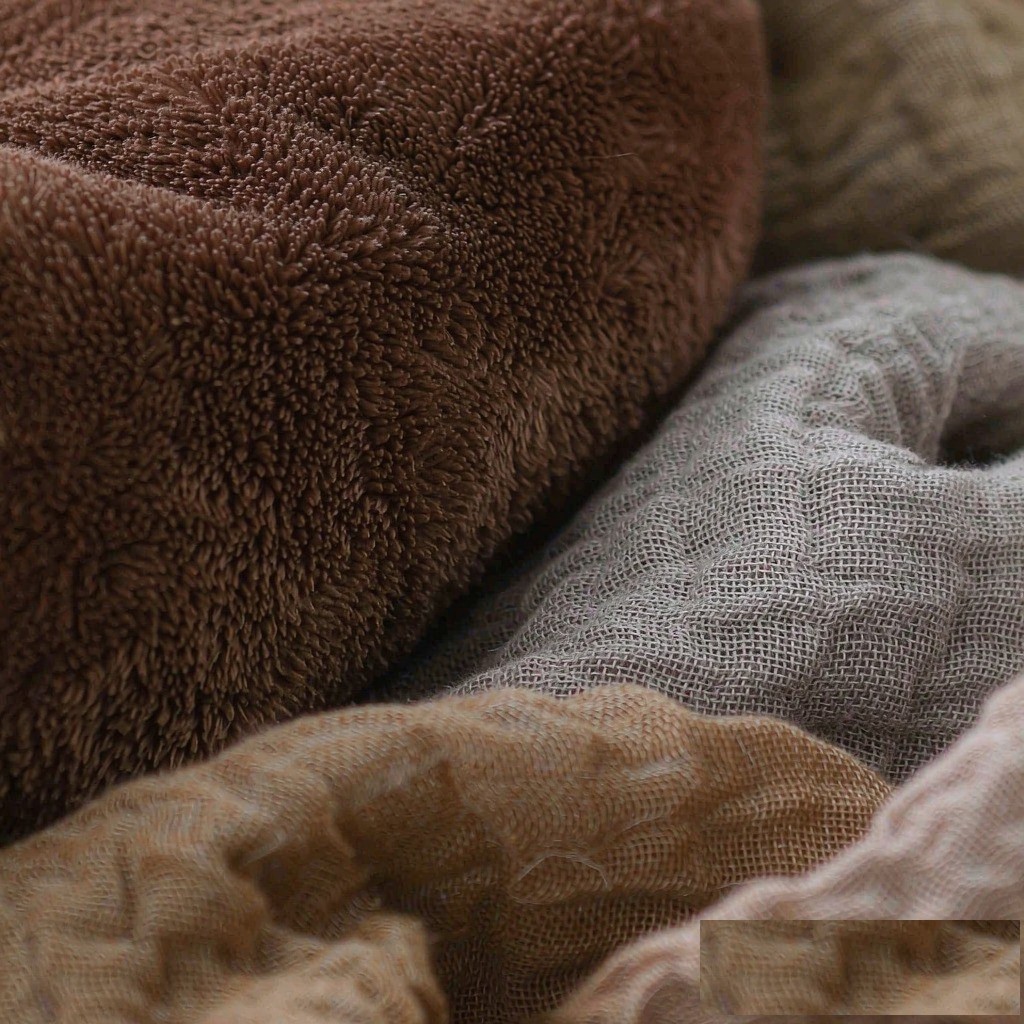
Brushed fleece starts as French Terry before passing through high-speed mechanical teasing cylinders fitted with tiny steel wire brushes.
- Insulation physics: The wire brushes break open the yarn loops, pulling individual filaments apart into a soft, fuzzy pile that traps stagnant “dead air,” creating a natural thermal barrier.
- Drape: Stiffer, boxier, and voluminous — effortlessly maintaining drop-shoulder cuts and balloon sleeves without collapsing.
- Best hand-feel: Cloud-like, warm, plush interior — the defining trait of premium winter streetwear.
Side-by-Side Performance Benchmarks
When negotiating tech pack specs with your sportswear OEM factory, using exact empirical data ensures zero miscommunication. The following benchmarks are derived from standard industry testing protocols (ISO 12945-2 for pilling, controlled lab air-permeability for breathability).
| Performance Metric | French Terry (Loopback) | Brushed Fleece (Napped) | Commercial Impact for Brands |
|---|---|---|---|
| Standard Weight Range | 300 GSM – 500 GSM | 350 GSM – 550+ GSM | Directly impacts fabric yield & international freight costs |
| Thermal Resistance (R-value) | Low to Moderate | High (+35% heat retention) | Dictates seasonal launch calendar (Spring/Summer vs. Fall/Winter) |
| Breathability & Air Perm. | High (~180–220 mm/s) | Moderate (~90–130 mm/s) | French Terry excels for workout warmups; fleece for cold commutes |
| Moisture Absorption | Superior (capillary wicking) | Slower (trapped humidity) | French Terry prevents clammy feel during dynamic movement |
| Post-Wash Shrinkage | 2.5% – 3.5% (pre-shrunk) | 3.0% – 5.0% (higher yarn loft) | Requires calibrated pattern grading & industrial heat-setting |
| Surface Pilling (ISO 12945-2) | Grade 4.0 – 4.5 | Grade 3.5 – 4.0 | Napped fleece fibres require anti-pilling compact yarn |
Key Takeaway: The decision between loopback and napped is fundamentally a trade-off between breathability and thermal volume. Specifying the wrong knit for your season or activity profile is the single biggest driver of return rates in the custom hoodie category.
Case Study: How a Sydney Activewear Brand Cut Return Rates by 22%
A fast-growing boutique activewear brand in Sydney, Australia, launched a winter streetwear capsule featuring a 480 GSM “Oversized Heavyweight Hoodie.” In their first run, their vendor used a standard 3-end brushed fleece (80% cotton, 20% polyester).
The Operational Challenge: Within four weeks of release, internal fuzz shedding transferred onto white gym tees, and customers complained of overheating during coastal gym sessions. Return rates surged to 14.2%.
The Supply Chain Solution: The brand transitioned production to a specialised sportswear manufacturing partner. They re-engineered the style using custom-milled 450 GSM 100% Combed Compact Cotton French Terry with a diagonal loopback structure, paired with continuous pre-shrinkage stenter processing and an enzymatic bio-polish bath.
The Commercial Outcome: The revised hoodie maintained identical visual volume and drape without shedding. Garment return rates plummeted to 1.8%, while repeat purchase frequency jumped by 31% over the subsequent drop.
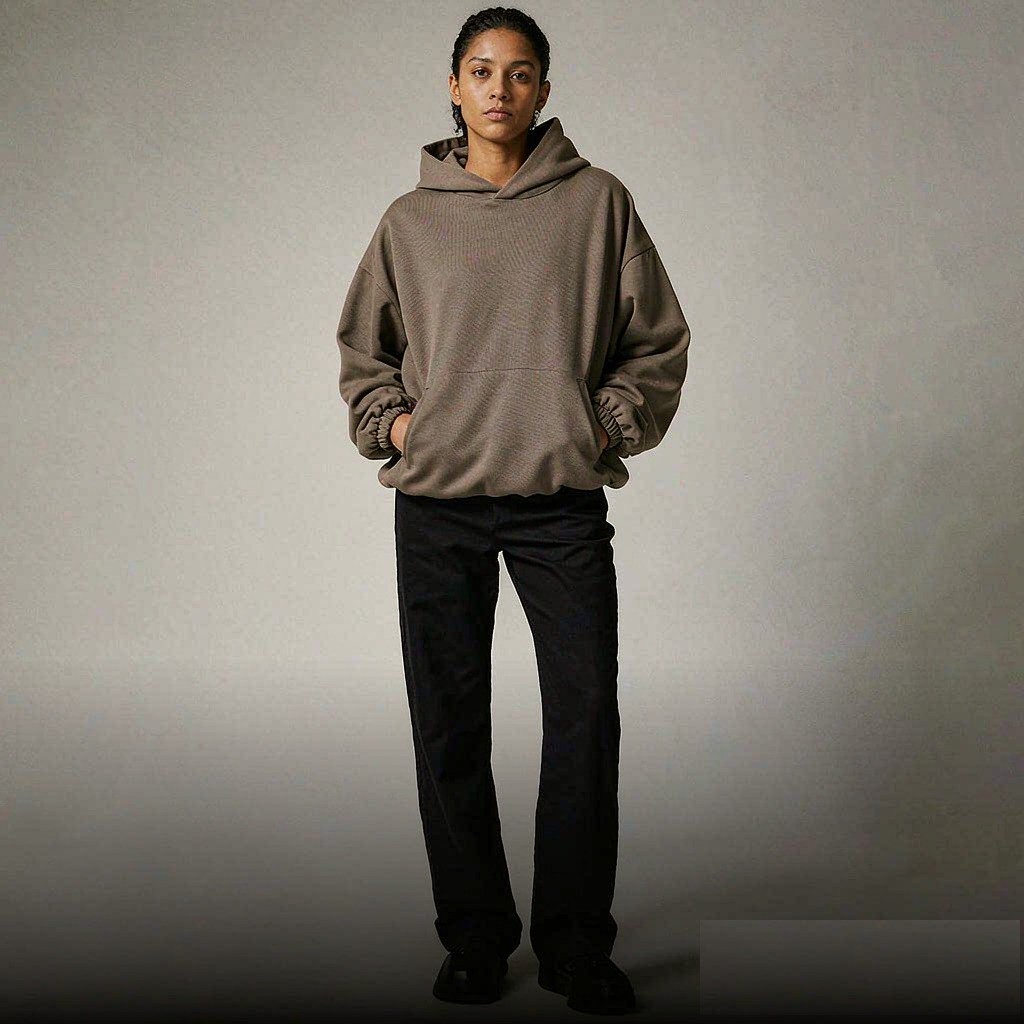
Application Guide: Matching Knits to Product Lines
When building your seasonal collection matrix, categorise styles based on functional intent rather than just GSM.
Choose French Terry (300–450 GSM)
- Trans-seasonal layering & active warm-up hoodies
- Summer evening crewnecks, lounge shorts, and athletic joggers
- Styles requiring crisp screen-printed neck labels and branding
- Broad temperature compatibility (10°C to 22°C / 50°F to 72°F)
Choose Brushed Fleece (400–550+ GSM)
- Boxy, drop-shoulder winter streetwear hoodies
- Structured double-layer hoods that need to stand upright naturally
- High-density puff printing and 3D silicone application
- Sub-zero climates and high-volume thermal loungewear
3 Critical Questions to Ask Your Sportswear Supplier
- “Are you using 100% combed compact yarn for the fleece backing?”
Inferior carded open-end yarns are the primary culprit behind lint shedding and internal pilling after the first home wash cycle. - “What is your certified pre-shrinkage and torque standard?”
Ensure the factory runs heat-set stenter processing to lock total dimensional stability under 3% shrinkage and prevent side seams from twisting after laundering. - “Can you provide physical counter-swatches of both loopback and napped versions in identical GSM?”
Testing drape and hand-feel on real fit models before opening bulk fabric dye vats eliminates sample revision delays and keeps your go-to-market schedule on track.
Fabric FAQ — Wholesale Hoodie Knit Selection
What GSM is best for a heavyweight streetwear hoodie?
For a true heavyweight silhouette, target 450–550 GSM. French Terry performs best at 380–480 GSM with a structured hand-feel; Brushed Fleece shines at 480–550+ GSM for maximum volume and insulation.
Does brushed fleece shrink more than French terry after washing?
Yes. Brushed fleece typically shrinks 3.0–5.0% versus 2.5–3.5% for loopback French Terry due to higher yarn loft. Always require heat-set stenter pre-shrinkage and over-cut patterns by 2–3% to compensate.
Which fabric is better for high-density screen printing or puff prints?
Brushed fleece holds 3D puff and high-density silicone ink better because the napped surface grips thicker ink deposits. French Terry is preferred for flat plastisol and water-based inks where a crisp, clean edge is required.
Is French Terry suitable for summer collections?
Yes. Unbrushed loopback at 300–380 GSM is highly breathable (>200 mm/s air permeability) and wicks moisture away from the skin, making it ideal for summer evening wear, lounge shorts, and lightweight athletic layering.
Strategic Conclusion
Whether your brand vision calls for the breathability of authentic diagonal French Terry or the architectural presence of 500+ GSM brushed fleece, aligning your tech pack with the right custom sportswear manufacturer ensures your product delivers real-world performance, durability, and commercial scale. Ready to request counter-swatches or open a tech-pack conversation? Our sourcing team can quote both knits in matched GSM within 48 hours.